

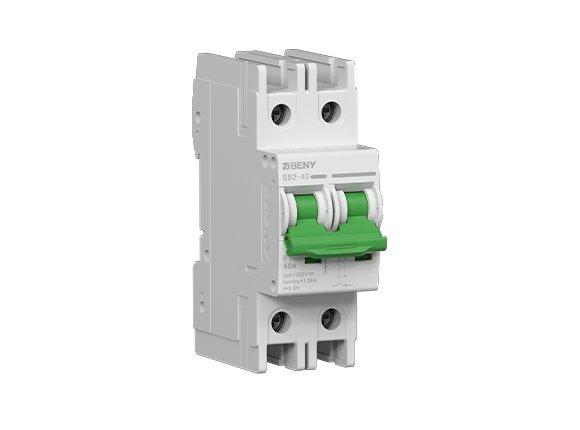
Wondering how to safeguard your electrical systems from overloads and short circuits in DC circuits? Look no further than the DC breaker. This crucial component serves as a protective barrier, automatically interrupting the flow of current when necessary. By understanding the significance of a DC breaker, you can ensure the safety and efficiency of your electrical installations. Let’s delve deeper into the world of DC breakers and explore their pivotal role in maintaining reliable power distribution.

The Marvels and Functions of DC Breakers: A Comprehensive Guide
Welcome, young scientists! Today, we embark on an exciting journey to explore the fascinating world of DC breakers. So, what exactly is a DC breaker, you may wonder? Well, fear not, for by the end of this adventure, you will have all the knowledge you need to understand and appreciate the wonders of DC breakers.
What is a DC Breaker?
Let’s start at the beginning. A DC breaker, short for direct current breaker, is a vital component in electrical systems that helps protect circuits and devices from damage caused by overcurrents. Unlike its counterpart, the AC breaker, which deals with alternating current, the DC breaker is specifically designed to handle direct current, which flows continuously in a single direction.
DC breakers come in various shapes and sizes, ranging from small circuit breakers used in homes to larger ones found in industrial settings. They play a crucial role in ensuring the safety and proper functioning of electronic devices, machinery, and power systems.
How Does a DC Breaker Work?
Now, let’s delve into the mechanics of how a DC breaker operates. Imagine a DC breaker as a guardian that constantly monitors the flow of electrical current in a circuit. When the current exceeds a certain predetermined level, the breaker springs into action, interrupting the circuit to prevent damage to the connected devices.
DC breakers achieve this by utilizing a mechanism that responds to changes in current intensity. When an overcurrent situation occurs, such as a short circuit or an overload, the breaker detects this anomaly and quickly opens its contacts to break the circuit, halting the flow of current and averting potential disasters.
The Importance of DC Breakers
DC breakers may seem like humble protectors, but their significance cannot be overstated. Imagine a world without these silent heroes—electrical fires, equipment failures, and safety hazards would abound. By standing guard against overcurrent events, DC breakers ensure the smooth operation of electrical systems and offer peace of mind to engineers, electricians, and homeowners alike.
Protecting Against Short Circuits
One of the primary functions of a DC breaker is to safeguard against short circuits, which occur when an unintended connection is made between two points of differing electrical potential. This can lead to a sudden surge in current, potentially damaging the connected devices and posing safety risks. However, with a DC breaker in place, the circuit is swiftly broken, preventing the short circuit from causing harm.
Preventing Overloads
Another crucial role of DC breakers is to prevent overloads, which happen when the current drawn by a circuit exceeds its rated capacity. If left unchecked, overloads can overheat wires, trip circuits, and damage equipment. DC breakers sense these abnormal currents and act promptly to disconnect the circuit, saving the day and avoiding costly repairs.
Types of DC Breakers
DC breakers come in various types, each tailored to specific applications and requirements. Let’s explore some common types of DC breakers you might encounter:
Thermal DC Breakers
Thermal DC breakers rely on the principle of heat to protect circuits from overcurrents. When the current exceeds the breaker’s rated capacity, the heat generated causes a bimetallic strip to bend and trip the breaker, opening the circuit. These breakers are commonly used in residential settings for their simplicity and reliability.
Magnetic DC Breakers
Magnetic DC breakers, on the other hand, operate based on the magnetic field generated by the current passing through the breaker. When an overcurrent occurs, the magnetic field triggers a mechanism that trips the breaker, interrupting the circuit. These breakers are often used in industrial applications where higher currents are involved.
Hydraulic-Magnetic DC Breakers
Hydraulic-magnetic DC breakers combine the features of both thermal and magnetic breakers, offering enhanced protection against a wide range of overcurrent situations. These breakers are versatile and can adapt to varying current levels, making them ideal for applications requiring robust and reliable protection.
Installation and Maintenance
Proper installation and maintenance of DC breakers are crucial to ensure their optimal performance and longevity. Here are some essential tips to keep in mind:
Installation Guidelines
When installing a DC breaker, make sure to follow the manufacturer’s guidelines and specifications. Ensure that the breaker is compatible with the voltage and current requirements of the circuit it is protecting. Properly size the breaker to match the load, and securely connect the wiring to avoid loose connections that could lead to overheating.
Maintenance Practices
Regular maintenance is key to keeping DC breakers in top condition. Inspect the breakers periodically for signs of wear or damage, such as corrosion, overheating, or malfunctioning mechanisms. Test the breakers according to the manufacturer’s recommendations to verify their proper operation and response to overcurrent events.
And there you have it, young scientists! We have journeyed through the realm of DC breakers, uncovering their secrets and unraveling their mysteries. From protecting against short circuits to preventing overloads, DC breakers serve as silent guardians of electrical systems, ensuring their safe and efficient operation.
So, the next time you flick a switch or power up a device, remember the unsung hero working tirelessly behind the scenes—the DC breaker. With its watchful eye and swift action, the DC breaker stands as a symbol of safety, reliability, and peace of mind in the electrifying world of electricity.
Until our next adventure, keep exploring, learning, and embracing the wonders of science and technology!
DC Solar Circuit Breakers in 5 Minutes: How to Choose Breakers, Avoid Future Problems! Quick Guide
Frequently Asked Questions
What is a DC breaker?
A DC breaker is a type of circuit breaker specifically designed to protect electric circuits from overcurrents in direct current (DC) systems. It interrupts the flow of current when it detects an overload or short circuit, thereby preventing damage to the electrical components.
How does a DC breaker work?
A DC breaker works by utilizing a mechanism that trips and opens the circuit when excess current flows through it. This mechanism can be thermal, magnetic, or a combination of both. When the current exceeds the breaker’s rated capacity, it causes the mechanism to act, cutting off the flow of electricity.
What are the common applications of DC breakers?
DC breakers are commonly used in various applications such as solar power systems, automotive electronics, marine electrical systems, and off-grid power systems. They play a crucial role in preventing electrical fires and protecting equipment from damage due to overcurrent situations.
Final Thoughts
In summary, choosing the right DC breaker is crucial for the safety and efficiency of your electrical system. DC breakers help protect your equipment and prevent potential hazards such as overloads and short circuits. When selecting a DC breaker, consider factors like voltage rating, current capacity, and trip characteristics to ensure optimal performance. Remember, investing in a high-quality DC breaker is an important investment in the long-term reliability of your system. Always prioritize safety and quality when it comes to selecting a DC breaker.