

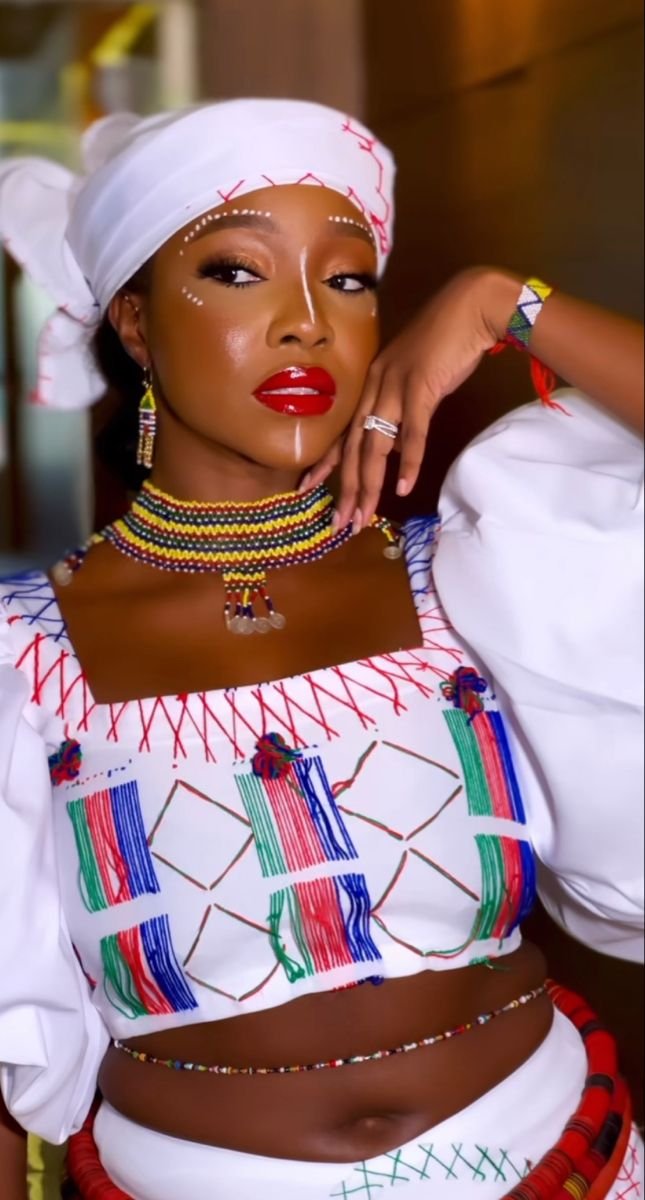
Fulani traditional attire embodies a rich tapestry of culture and heritage. Adorned with vibrant colors and intricate designs, these garments tell stories of a proud and ancient tradition. From the flowing gowns of the women to the bold robes of the men, each piece is a work of art in motion. Join us as we delve into the world of Fulani traditional attire and uncover the beauty and significance woven into every stitch.

Fulani Traditional Attire: A Cultural Treasure
Welcome to a fascinating journey into the world of Fulani traditional attire, where vibrant colors, intricate designs, and rich cultural significance come together to create unique and beautiful garments. The Fulani people, also known as the Fulbe or Fula, are one of the largest ethnic groups in West Africa, with a rich heritage that is reflected in their traditional dress.
The History and Significance
Before we dive into the details of Fulani traditional attire, let’s take a step back in time to understand its history and significance. The Fulani people have a long and storied past, with a tradition of nomadic herding that has influenced their clothing choices. Their attire is not only a form of self-expression but also serves as a symbol of cultural identity and pride.
Materials and Fabrics
One of the most striking features of Fulani traditional attire is the use of vibrant and colorful fabrics. The Fulani people are known for their love of bright hues, with fabrics such as cotton, silk, and satin being popular choices. These fabrics are often adorned with intricate embroidery, beadwork, and patterns that reflect the cultural heritage of the Fulani people.
Types of Clothing
Traditional Fulani attire varies based on gender, age, and occasion. For men, the traditional outfit consists of a flowing robe called a “boubou” paired with loose-fitting pants. Women, on the other hand, wear colorful wrappers, blouses, and headscarves. Both men and women may also adorn themselves with jewelry, such as earrings, necklaces, and bracelets.
Symbolism and Cultural Meaning
Each element of Fulani traditional attire carries deep symbolism and cultural meaning. The colors, patterns, and designs used in their clothing often represent concepts such as fertility, wealth, protection, and social status. For example, certain colors may be reserved for special occasions or ceremonies, while specific patterns may denote a person’s clan or family lineage.
Headwear and Accessories
Headwear plays a significant role in Fulani traditional attire, with both men and women adorning themselves with elaborate hats, turbans, and headscarves. These accessories not only serve a practical purpose by protecting against the sun and dust but also add a touch of elegance and style to the overall ensemble.
Adornment and Jewelry
Jewelry holds a special place in Fulani culture, with traditional pieces often made from gold, silver, beads, and cowrie shells. These adornments are more than just decorative accessories; they are symbols of wealth, status, and spirituality. Women, in particular, may wear intricately crafted earrings, necklaces, and bracelets as a way to showcase their identity and heritage.
Modern Trends and Influence
While traditional Fulani attire remains a vital part of the cultural identity of the Fulani people, modern influences and trends have also left their mark on contemporary clothing styles. Today, you may find a fusion of traditional and modern elements in Fulani fashion, with designers incorporating new fabrics, cuts, and designs to create a unique blend of the old and the new.
Celebrity Influence
In recent years, Fulani traditional attire has gained popularity beyond the borders of West Africa, thanks in part to the influence of celebrities and fashion icons. From red carpets to runways, Fulani-inspired clothing has made its mark on the global fashion scene, captivating audiences with its vibrant colors and intricate details.
Global Appeal
With its vibrant colors, intricate designs, and rich cultural heritage, Fulani traditional attire has a universal appeal that transcends borders and boundaries. Whether worn for special occasions, cultural events, or simply as a way to celebrate one’s heritage, Fulani clothing serves as a powerful symbol of pride, tradition, and identity.
As we conclude our exploration of Fulani traditional attire, we hope you have gained a deeper appreciation for the beauty, history, and cultural significance of these unique garments. Through their clothing, the Fulani people not only express themselves but also preserve and celebrate a rich cultural heritage that spans generations. So, the next time you see someone adorned in vibrant colors and intricate designs reminiscent of Fulani traditional attire, take a moment to admire the beauty and history woven into each thread.
The Fulani Traditional and Colorful attire . #fashion #beauty #africa #culture #fypシ
Frequently Asked Questions
What are the key elements of Fulani traditional attire?
Fulani traditional attire typically includes flowing colorful robes for both men and women. Men often wear a boubou, a loose-fitting top matched with trousers or a long skirt. Women wear long, flowing gowns paired with matching headscarves. Accessories like jewelry, beads, and elaborate embroidery are also common.
How do Fulani people use traditional attire to express their cultural identity?
Fulani people use their traditional attire to showcase their cultural heritage and ethnic pride. The intricate designs, vibrant colors, and specific garment styles are unique to the Fulani ethnic group, helping them stand out and maintain a sense of belonging within their community.
Are there specific occasions or events where Fulani traditional attire is worn?
Yes, Fulani traditional attire is commonly worn during important cultural celebrations, religious ceremonies, weddings, and other significant events within the community. The choice of attire can vary based on the formality of the occasion, with more elaborate outfits reserved for special ceremonies.
Final Thoughts
In conclusion, Fulani traditional attire represents a rich cultural heritage. Adorned with intricate embroidery and vibrant colors, these garments showcase the beauty and elegance of Fulani craftsmanship. From the elaborate headscarves to the flowing robes, every detail of Fulani attire tells a story of tradition and pride. Embracing Fulani traditional attire not only celebrates the past but also keeps the culture alive for future generations to appreciate and cherish.