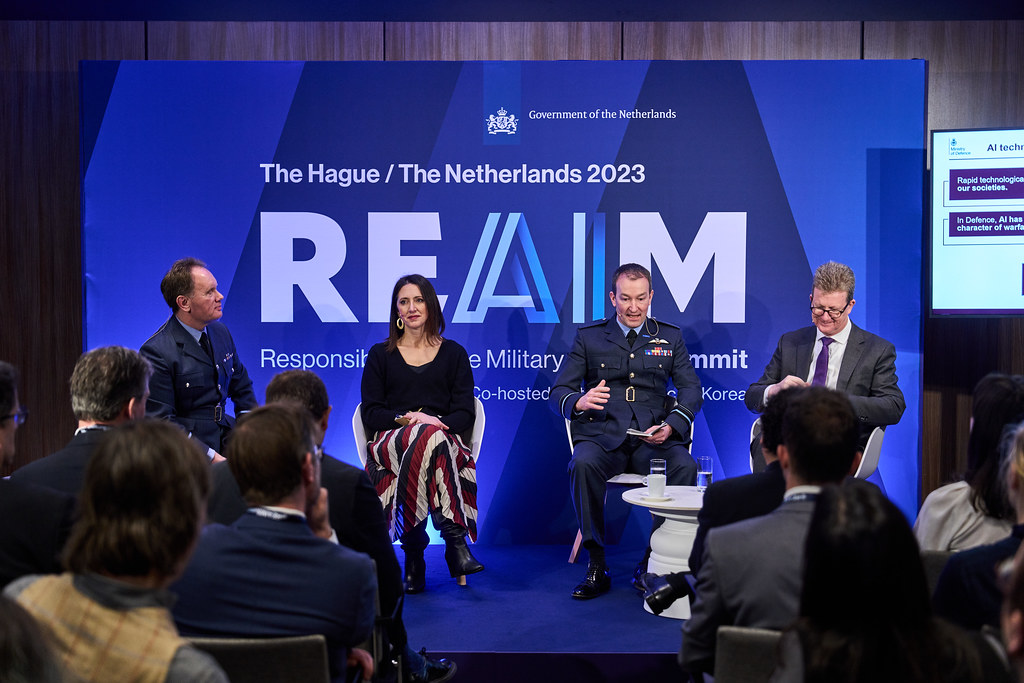

AI foreign policy challenge is becoming a critical issue for Australia. As nations navigate the complexities of artificial intelligence, understanding its implications on international relations is essential.
Understanding AI’s Role in Foreign Policy
The integration of artificial intelligence into global affairs has emerged as a significant foreign policy challenge for nations, particularly for Australia. As AI technologies advance, they present both opportunities and risks that must be carefully navigated.
Understanding AI’s role in foreign policy requires a comprehensive examination of several factors:
- Strategic Competitiveness: Nations are increasingly using AI to enhance their military capabilities and intelligence operations. This has led to a race among countries to develop superior AI technologies, creating an urgent need for Australia to bolster its own AI capabilities.
- Ethical Considerations: The deployment of AI in foreign policy raises ethical questions. How can Australia ensure that AI is used responsibly and aligns with international law? Addressing these concerns is crucial for maintaining Australia’s reputation on the global stage.
- International Collaboration: In tackling the AI foreign policy challenge, Australia must work with allies and international organizations to establish norms and regulations around the use of AI in warfare and diplomacy.
- Domestic Preparedness: Preparing the Australian workforce for an AI-driven future is essential. This includes investing in education and training programs to foster a skilled labor force capable of engaging with AI technologies.
Overall, navigating the complexities of AI in foreign policy will require a smart and proactive approach from Australia.
Australia’s Strategic Response to AI
Australia is facing a significant AI foreign policy challenge as it navigates the complexities of emerging technologies in the global landscape. The government recognizes that the integration of artificial intelligence into national and international strategies is essential for maintaining competitiveness and security.
In response to these challenges, Australia is adopting a multi-faceted approach:
- Collaborative Diplomacy: Engaging with allies and international organizations to develop cohesive AI governance frameworks.
- Investment in Research: Funding initiatives aimed at advancing AI research and understanding its implications on global relations.
- Regulatory Frameworks: Establishing guidelines that ensure ethical AI development while safeguarding national interests.
- Public Awareness: Promoting education about AI technologies among citizens to foster an informed populace that understands the implications of AI in foreign policy.
Furthermore, Australia is focusing on building partnerships with nations that are also facing similar AI foreign policy challenges. By sharing best practices and collaborating on technology standards, Australia aims to strengthen its position in the international arena. This proactive stance is crucial in addressing the potential risks and opportunities that AI presents on a global scale, ensuring that Australia remains a leader in shaping the future of international relations influenced by artificial intelligence.
The Impact of AI on Global Relations
The integration of artificial intelligence (AI) into global relations presents a multifaceted challenge for nations, particularly for Australia. As countries increasingly leverage AI technologies for strategic advantages, the dynamics of diplomacy and international collaboration are shifting. The AI foreign policy challenge requires a nuanced understanding of both the opportunities and risks associated with these advancements.
One significant impact of AI on global relations is its potential to reshape power balances. Nations that successfully harness AI may gain economic and military advantages, leading to heightened competition and possible conflicts. In response, Australia must navigate these complexities by fostering alliances and engaging in multilateral discussions that prioritize responsible AI use.
Moreover, the ethical implications of AI deployment in foreign policy cannot be overlooked. Issues such as surveillance, data privacy, and algorithmic bias are critical considerations that influence international perceptions and relationships. To address these concerns, Australia is called upon to advocate for global standards and frameworks that govern AI technologies.
Additionally, the rise of AI-driven disinformation campaigns poses a direct threat to democratic processes and societal stability. Australia’s approach to countering these challenges must involve not only technological countermeasures but also educational initiatives to promote media literacy among its citizens.
In conclusion, the AI foreign policy challenge requires Australia to adopt a proactive and collaborative stance in order to ensure a stable and secure international environment.
Challenges in AI Governance
The integration of artificial intelligence into foreign policy presents a myriad of complexities that Australia must navigate. As nations increasingly rely on AI technologies, the governance of these systems becomes a critical AI foreign policy challenge. The following points outline key challenges in AI governance that Australia faces:
- Regulatory Frameworks: Establishing comprehensive regulations for AI applications in foreign relations is essential. Australia’s current legal frameworks may not adequately address the rapid advancement of AI technologies.
- Ethical Considerations: AI systems can inadvertently perpetuate biases and inequalities. Ensuring ethical guidelines for AI deployment in international contexts is vital to maintain Australia’s reputation as a fair and just actor on the global stage.
- National Security Risks: The use of AI in military and defense strategies raises significant national security concerns. Australia must balance innovation with the potential risks associated with autonomous systems.
- International Cooperation: Collaborating with other nations on AI governance is essential. Australia must engage in dialogues to establish common standards and practices to prevent a fragmented global approach.
These challenges underscore the necessity for a strategic and informed approach to AI governance, ensuring that Australia remains a leader in navigating the evolving landscape of international relations influenced by artificial intelligence.
Case Studies of AI in Diplomacy
As nations grapple with the AI foreign policy challenge, several case studies illustrate the diverse applications of artificial intelligence in diplomacy. These examples highlight both the potential benefits and the risks associated with integrating AI into foreign policy frameworks.
- United States and Predictive Analytics: The U.S. has employed AI-driven predictive analytics to assess geopolitical risks. By analyzing vast amounts of data, AI systems can forecast potential conflicts, allowing policymakers to respond proactively.
- China’s Surveillance Diplomacy: China has integrated AI technologies into its diplomatic strategies, particularly through surveillance systems. This approach not only monitors internal stability but also influences other nations’ policies through economic incentives tied to technology transfers.
- European Union’s Ethical Frameworks: The EU has taken a different stance, focusing on the ethical implications of AI. By establishing comprehensive guidelines for AI use in international relations, the EU aims to ensure that its diplomatic engagements promote human rights and democratic values.
- Australia’s Regional Initiatives: Australia has initiated partnerships with neighboring countries to develop AI capabilities in agriculture and environmental management. This collaborative approach enhances regional stability and positions Australia as a leader in responsible AI diplomacy.
These case studies underscore the multifaceted nature of AI’s role in modern diplomacy, emphasizing the need for thoughtful strategies in addressing the AI foreign policy challenge.
Future Trends in AI and Policy
The intersection of artificial intelligence and foreign policy is poised to shape the future global landscape significantly. As nations navigate the complexities of this AI foreign policy challenge, several trends are emerging that will influence decision-making processes and diplomatic relationships.
One notable trend is the increasing emphasis on international collaboration. Countries are recognizing that AI’s implications extend beyond borders, necessitating alliances to address shared challenges. This collaboration aims to establish common standards and ethical guidelines for AI deployment in various sectors.
Another trend is the rise of AI-driven predictive analytics, which governments are employing to better assess global risks and opportunities. By leveraging vast datasets, nations can anticipate potential conflicts and address them proactively. This strategic use of AI can enhance diplomatic efforts and foster stability.
- Regulatory frameworks: Countries are developing policies to regulate AI technologies, ensuring they align with national security interests.
- Public engagement: Governments are increasingly involving citizens in discussions about AI’s role in foreign policy, promoting transparency and public trust.
- Ethical considerations: The need for ethical AI usage is gaining prominence, with nations pushing for responsible innovation that respects human rights.
As these trends evolve, Australia’s approach to the AI foreign policy challenge will play a critical role in shaping its global standing and diplomatic effectiveness.
Expert Opinions on AI’s Influence
Experts agree that the AI foreign policy challenge requires a multifaceted approach to ensure that nations, particularly Australia, navigate the complexities of artificial intelligence effectively. Insights from various thought leaders highlight key considerations in addressing this evolving issue.
- Dr. Sarah Mitchell, a political scientist at the University of Sydney, emphasizes the importance of establishing international norms, stating, “Countries must come together to create frameworks that govern AI use in diplomacy and defense.”
- Professor Ian Barker, an expert in technology ethics, warns that “without proper regulations, AI could exacerbate existing geopolitical tensions and lead to miscalculations in international relations.”
- Emily Tan, a former diplomat, suggests that “Australia should take a leadership role in fostering collaborations with allies to develop AI tools that enhance diplomatic strategies rather than undermine them.”
Furthermore, many agree that education and public awareness are crucial. Dr. Lisa Wong, a leading researcher in AI policy, states, “The Australian government needs to invest in training programs for diplomats that focus on understanding AI’s capabilities and limitations.”
As Australia navigates the AI foreign policy challenge, expert opinions highlight the need for proactive engagement, collaboration, and a balanced approach to harness the potential of AI while mitigating its risks.
The AI foreign policy challenge requires Australia to navigate complex international dynamics while leveraging technological advancements. By adopting a proactive stance, Australia can turn the AI foreign policy challenge into an opportunity for strategic alliances.
By Ministerie van Buitenlandse Zaken via Openverse