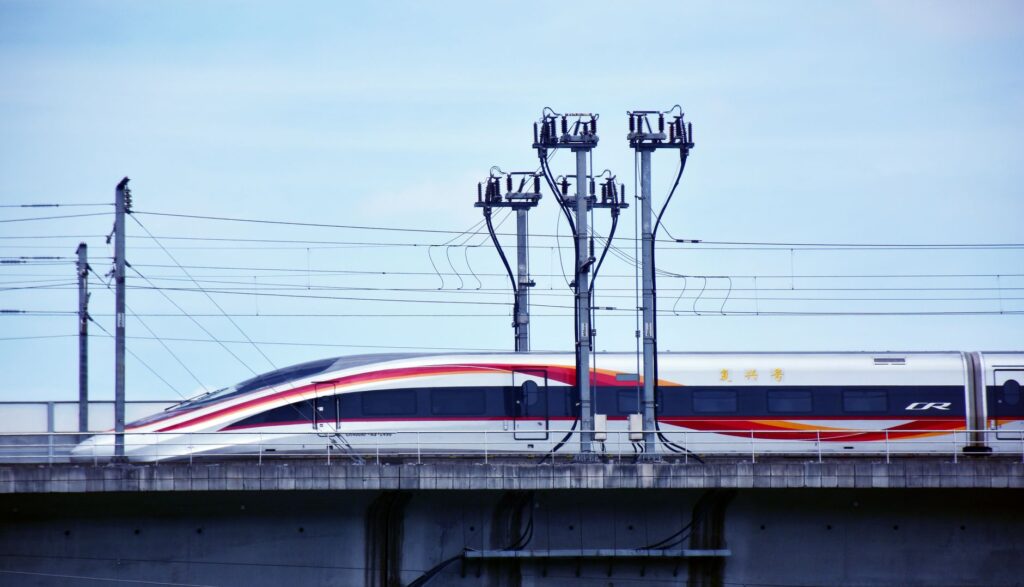

The cross-sea high-speed rail bridge has recently experienced the closure of its first navigation channel span, prompting discussions about its impact on transportation.
Impact of the cross-sea high-speed rail bridge closure
The recent closure of the cross-sea high-speed rail bridge has sent ripples through the transportation sector, raising concerns about its impact on regional connectivity. As the world’s longest cross-sea high-speed rail bridge, its operational efficiency is crucial for both passenger travel and freight logistics.
Experts warn that the closure of the first navigation channel span could lead to significant delays and disruptions. The following points highlight the potential impacts:
- Increased Travel Time: Passengers may experience longer journey times due to detours and alternative routing.
- Economic Consequences: Freight transport will likely face delays, affecting supply chains and local businesses that rely on timely deliveries.
- Environmental Impact: Alternative transport routes may lead to increased emissions, undermining sustainable transport initiatives.
- Public Sentiment: Commuters may express frustration over the disruption, influencing public opinion on infrastructure management.
As authorities assess the situation, it remains crucial for stakeholders to communicate effectively about the bridge’s status and expected reopening timeline. The cross-sea high-speed rail bridge’s closure serves as a clear warning about the vulnerabilities in complex transportation networks.
What led to the cross-sea high-speed rail bridge’s closure?
The recent closure of the cross-sea high-speed rail bridge has raised significant concerns among commuters and transport experts alike. Several factors contributed to this decision, underscoring the complexities involved in maintaining such an extensive infrastructure project.
Firstly, maintenance issues were identified during routine inspections. Engineers discovered that certain structural components required urgent attention to ensure the safety and reliability of the bridge.
Moreover, there have been reports of increased traffic demands that the bridge was not originally designed to handle. This surge in usage has led to heightened stress on the infrastructure, prompting officials to take precautions.
Additionally, environmental concerns have emerged. Experts have noted that changes in weather patterns could adversely affect the integrity of the bridge, necessitating a thorough evaluation of its resilience.
Lastly, safety regulations have become more stringent, requiring that existing structures adhere to updated codes. As a result, the cross-sea high-speed rail bridge faced inevitable scrutiny, leading to the closure of the first navigation channel span while necessary assessments and repairs are conducted.
Future of the cross-sea high-speed rail bridge project
The future of the cross-sea high-speed rail bridge project remains uncertain following the recent closure of the first navigation channel span. Experts are now voicing concerns about the long-term implications for transportation and commerce in the region.
As discussions unfold, several key points emerge:
- Structural Integrity: There are fears that ongoing issues may compromise the bridge’s overall stability, leading to further delays in its reopening.
- Economic Impact: The temporary closure could hinder trade routes, affecting local economies that rely on efficient transport links.
- Public Safety: Authorities emphasize that ensuring the safety of both travelers and cargo is paramount, prompting a cautious approach to any future operations.
- Technological Innovations: Future plans may incorporate advanced engineering solutions aimed at preventing similar issues in the long run.
While the immediate focus is on addressing the current challenges, stakeholders are increasingly aware that the future of the cross-sea high-speed rail bridge hinges on transparent communication and effective management of the project moving forward.
Latest updates on transportation infrastructure
Recent developments regarding the cross-sea high-speed rail bridge have raised concerns among transportation officials and commuters alike. Following the closure of the first navigation channel span, several updates have emerged that highlight the ongoing challenges facing this critical infrastructure project.
Officials have confirmed that the closure is temporary but necessary for safety inspections and maintenance work. The bridge, renowned for being the world’s longest cross-sea high-speed rail bridge, serves as a vital link between major cities, significantly reducing travel time for passengers.
In light of the situation, transportation agencies have urged commuters to plan accordingly, offering alternative travel arrangements during the closure. Some key points from the latest updates include:
- Inspection Timeline: A comprehensive evaluation is expected to take place over the next few weeks.
- Alternative Routes: Additional ferry services and bus routes have been introduced to accommodate affected travelers.
- Public Safety: Authorities emphasize the importance of maintaining safety standards for the integrity of the cross-sea high-speed rail bridge.
As updates continue to unfold, stakeholders remain hopeful for a swift resolution to restore normal operations.
Photo by Raven Zhou on Pexels
Read the original
You might also like
Anthropic donation news: Best proven way to support people · Sovereign AI platform: Is it the best investment opportunity? · OnePlus 13R price: Is it the best deal under Rs 36,000?