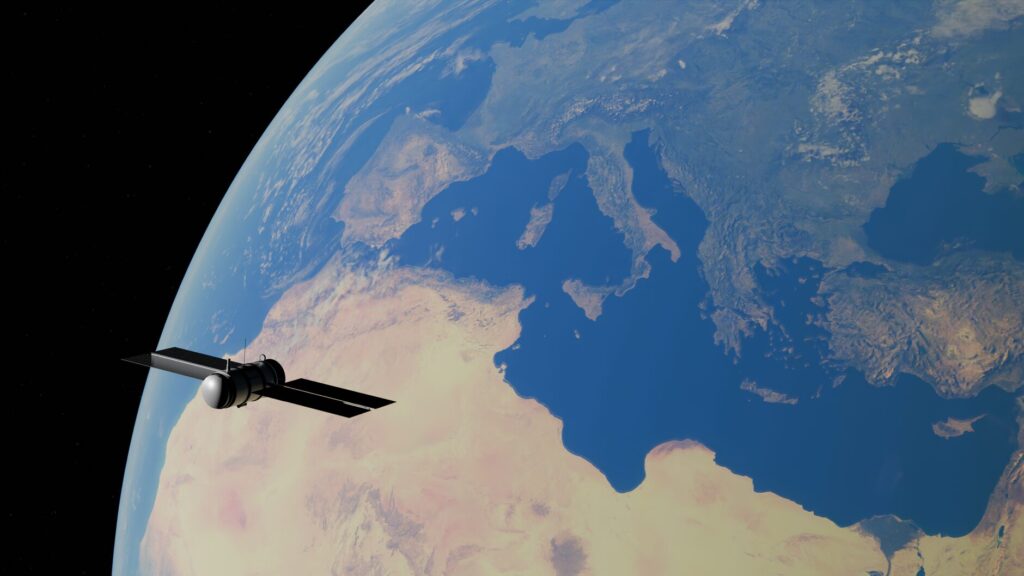

The earth observation satellite launched successfully by ISRO marks a significant achievement in space technology. This advancement promises improved data collection and monitoring for various applications.
Overview of ISRO’s Latest Launch
The Indian Space Research Organisation (ISRO) successfully launched its latest earth observation satellite, marking another milestone in its ongoing mission to enhance global monitoring capabilities. This advanced satellite is designed to provide high-resolution imagery and data for various applications, including agriculture, urban planning, and disaster management.
With the launch, ISRO aims to strengthen its position in the competitive field of satellite technology and contribute to international efforts in environmental monitoring. The satellite is equipped with cutting-edge sensors that can capture detailed images of the Earth’s surface.
Key features of the launch include:
- Enhanced imaging capabilities: The satellite can deliver clearer images in various weather conditions.
- Real-time data transmission: This facilitates timely decision-making for authorities.
- Collaboration potential: The satellite’s data can support international research initiatives.
Overall, the successful launch reaffirms ISRO’s commitment to advancing earth observation technologies.
Importance of Earth Observation Satellites
The importance of earth observation satellites cannot be overstated, as they play a crucial role in monitoring and managing our planet’s resources. These satellites provide invaluable data that supports various sectors, including agriculture, forestry, and disaster management.
Some key benefits of earth observation satellites include:
- Environmental Monitoring: They help track changes in land use, deforestation, and climate change patterns.
- Agricultural Management: Farmers utilize satellite imagery to optimize crop yields and manage irrigation effectively.
- Disaster Response: Earth observation data is vital for assessing damage and coordinating relief efforts during natural disasters.
- Urban Planning: Cities rely on satellite data for infrastructure development and environmental sustainability.
Overall, the successful launch of ISRO’s earth observation satellite enhances our ability to understand and protect the environment.
Technological Advances in Satellite Design
The recent launch of ISRO’s earth observation satellite showcases significant technological advances in satellite design. These innovations enhance the satellite’s capabilities, making it more efficient in gathering data and improving the accuracy of observations.
Key technological features include:
- High-resolution imaging: The satellite can capture images with unprecedented clarity, allowing for detailed analysis of Earth’s surface.
- Advanced sensors: Equipped with state-of-the-art sensors, the satellite can monitor environmental changes and natural disasters in real-time.
- Enhanced data processing: Improved onboard processing capabilities enable quicker data transmission and analysis, facilitating timely decision-making.
These technological advancements not only position ISRO as a leader in earth observation satellite development but also significantly contribute to global efforts in environmental monitoring and management.
Global Impact of ISRO’s Mission
The successful launch of ISRO’s advanced earth observation satellite has far-reaching implications for global environmental monitoring and disaster management.
This mission not only enhances India’s capabilities in space technology but also contributes to international efforts in data sharing and collaboration. The satellite is equipped with cutting-edge imaging technology, allowing for:
- Real-time monitoring of natural disasters such as floods and cyclones, improving response strategies.
- Environmental assessments that aid in tracking climate change and its effects on ecosystems.
- Agricultural insights that support farmers in optimizing crop yields and resource management.
By leveraging earth observation satellites, ISRO is not only advancing scientific knowledge but also fostering global partnerships that address critical challenges facing humanity.
Future Prospects for Earth Monitoring
The future of earth monitoring looks promising, especially with the recent success of ISRO’s advanced earth observation satellite launch. As nations increasingly recognize the importance of satellite technology for environmental management and disaster response, the demand for sophisticated earth observation satellites is expected to rise.
Key areas where these satellites will have an impact include:
- Agriculture: Providing vital data for crop health and yield predictions.
- Climate Change: Monitoring environmental changes and assessing climate risks.
- Urban Development: Supporting smart city planning through real-time data analytics.
- Disaster Management: Enhancing response strategies for natural disasters.
With ongoing advancements in technology, ISRO’s earth observation satellites are poised to play a crucial role in shaping sustainable development practices globally.
How ISRO is Leading in Space Exploration
The Indian Space Research Organisation (ISRO) has firmly established itself as a leader in space exploration, particularly with its recent success in launching an advanced earth observation satellite. This mission underscores ISRO’s commitment to utilizing cutting-edge technology to enhance our understanding of the planet.
Through its innovative approaches, ISRO has significantly improved the capabilities of earth observation satellites, allowing them to provide high-resolution imagery and data for various applications. These advancements support not only scientific research but also practical uses in agriculture, urban planning, and disaster management.
With a focus on sustainability and global cooperation, ISRO continues to foster international partnerships, contributing to a shared vision of monitoring and protecting the Earth’s environment. As the organization pushes the boundaries of space technology, its earth observation satellite program remains a cornerstone of its achievements.
Photo by Zelch Csaba on Pexels