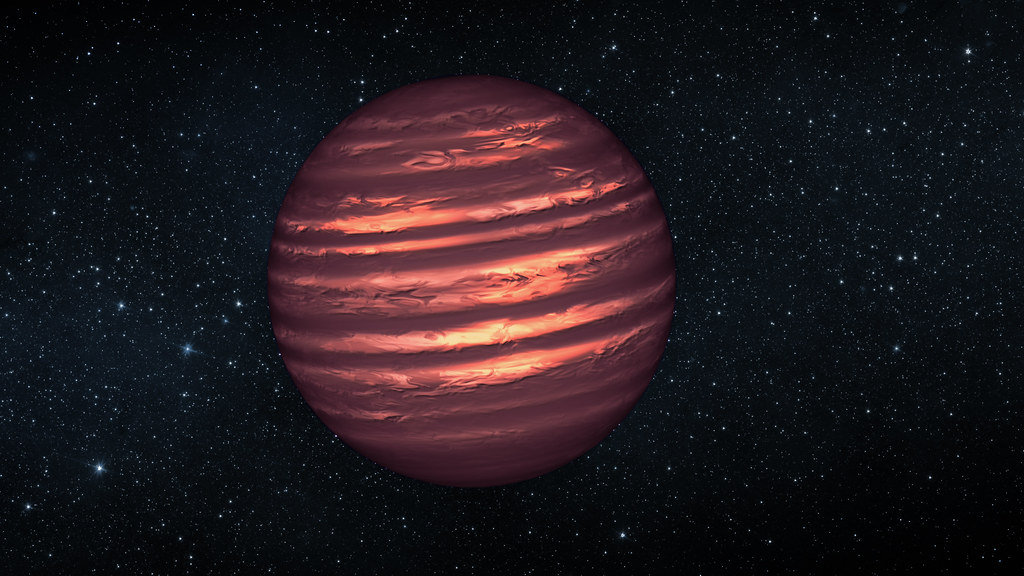

NASA space telescope is the latest innovation in astronomical research, promising to unveil new mysteries of the cosmos when it launches in January 2031.
What is the UVEX Space Telescope?
The UVEX Space Telescope is NASA’s latest initiative, designed to advance our understanding of the universe. Set to launch in January 2031, this innovative telescope aims to explore the cosmos with unprecedented sensitivity and resolution.
UVEX stands for Ultraviolet Explorer, highlighting its primary focus on capturing ultraviolet light from celestial objects. This capability will allow scientists to study various astronomical phenomena, including:
- The formation of stars and galaxies
- The composition of exoplanet atmospheres
- The behavior of black holes and neutron stars
With a design that incorporates state-of-the-art technology, the UVEX Space Telescope is poised to become a cornerstone of modern astrophysics. Its mission aligns with NASA’s commitment to pushing the boundaries of exploration and enhancing our knowledge of the universe, making the NASA space telescope a vital tool for future discoveries.
Key Features of the NASA Space Telescope
The upcoming NASA space telescope, known as UVEX, boasts several key features that set it apart as a leading technology for astronomical observation in 2031.
- Advanced UV Detection: UVEX will utilize cutting-edge detectors capable of capturing ultraviolet light, enabling scientists to study celestial phenomena that are invisible to other telescopes.
- High Sensitivity: The telescope is designed to detect faint objects, making it ideal for exploring distant galaxies and understanding the formation of stars.
- Wide Field of View: With its expansive field of view, UVEX can survey large portions of the sky, allowing for comprehensive mapping of astronomical events.
- Innovative Technology: Incorporating state-of-the-art instruments, the NASA space telescope promises enhanced image resolution and data collection capabilities.
- Interdisciplinary Applications: The data gathered by UVEX will benefit various fields, from astrophysics to planetary science, providing insights into the universe’s mysteries.
These features collectively position UVEX as a transformative tool for the future of space exploration.
Launch Timeline for UVEX
The launch timeline for the UVEX space telescope marks a significant milestone in NASA’s ongoing mission to explore the cosmos. Scheduled for launch in January 2031, this innovative telescope is designed to enhance our understanding of the universe.
The timeline leading up to the launch includes several key phases:
- 2025: Final design and engineering validation of the UVEX space telescope.
- 2027: Beginning of the assembly and integration of the telescope components.
- 2029: Completion of rigorous testing to ensure optimal performance in space conditions.
- 2030: Final preparations, including launch vehicle integration and mission rehearsals.
The UVEX space telescope represents a leap forward in technology, expected to provide unprecedented insights into cosmic phenomena. As NASA approaches the launch date, excitement builds within the scientific community and among space enthusiasts alike, eager to see the capabilities of this new NASA space telescope in action.
Potential Discoveries from UVEX
The upcoming NASA space telescope, UVEX, is set to revolutionize our understanding of the universe with its advanced capabilities. Scientists anticipate several groundbreaking discoveries that could reshape our cosmic perspective.
Among the potential findings are:
- Exoplanet Atmospheres: UVEX will analyze the chemical compositions of atmospheres around distant exoplanets, providing insights into their habitability.
- Galactic Evolution: The telescope will observe galaxies at various stages of formation, helping to understand the processes that drive their evolution.
- Dark Matter and Energy: Through detailed surveys, UVEX aims to shed light on the mysterious forces that govern the universe.
- Stellar Birth and Death: By studying star formation in unprecedented detail, the telescope will reveal how stars are born and ultimately evolve.
With these advancements, the NASA space telescope is poised to make significant contributions to astronomy and our comprehension of the cosmos by 2031.
How UVEX Compares to Other Telescopes
The UVEX space telescope represents a significant advancement in astronomical technology, particularly when compared to its predecessors. Unlike the Hubble Space Telescope, which primarily captures visible light, UVEX is designed to observe the universe in ultraviolet wavelengths, allowing scientists to study celestial phenomena that are otherwise invisible. This capability positions the NASA space telescope as a game-changer for astrophysics.
When compared to the James Webb Space Telescope, which focuses on infrared observations, UVEX’s unique approach complements existing missions. Moreover, its larger mirror size and advanced imaging sensors promise to deliver higher resolution and more detailed data.
In addition, UVEX aims to operate more efficiently, with enhanced observational capabilities that can cover vast areas of the sky rapidly. By leveraging cutting-edge technology, the NASA space telescope is set to unlock new mysteries of the universe and expand our understanding of cosmic evolution, making it a vital tool for future discoveries.
The Future of Space Exploration with UVEX
The future of space exploration is poised to undergo a significant transformation with the introduction of the UVEX space telescope. Set to launch in January 2031, this innovative project by NASA aims to enhance our understanding of the cosmos through advanced observation techniques. The UVEX telescope is designed to capture a wide spectrum of ultraviolet light, which is crucial for studying celestial phenomena that are often invisible to other telescopes.
Key advantages of the UVEX telescope include:
- Enhanced Sensitivity: Its state-of-the-art sensors will allow for detailed imaging of distant galaxies.
- Broader Range: The telescope will cover more wavelengths, offering insights into star formation and cosmic events.
- Collaborative Opportunities: UVEX is expected to work alongside existing NASA space telescopes, creating a comprehensive view of space.
As the best proven technology for 2031, the NASA space telescope promises to unlock new mysteries of the universe and inspire future generations of astronomers.
By NASA Goddard Photo and Video via Openverse
