
The open-weight AI model is set to revolutionize the industry as Nvidia-backed Reflection AI prepares for its first launch. This innovative approach promises to enhance accessibility and collaboration in AI development.
What is an open-weight AI model?
An open-weight AI model refers to a machine learning model whose parameters are made publicly accessible. This allows developers and researchers to utilize, modify, and build upon existing models without the need for proprietary licenses. By opening up the weights, these models encourage collaboration and innovation within the AI community.
Typically, open-weight models are pre-trained on vast datasets, enabling them to perform a variety of tasks right out of the box. Developers can leverage these models for applications ranging from natural language processing to image recognition, significantly reducing the time and resources required to train a model from scratch.
One of the primary advantages of using an open-weight AI model is the ability to customize and fine-tune it for specific needs. This flexibility has led to a vibrant ecosystem where developers contribute improvements and share their findings. Furthermore, open-weight models can foster transparency and trust, as their architectures and training methodologies are openly scrutinized by the community.
As the demand for AI solutions continues to grow, the adoption of open-weight models may become increasingly popular among developers seeking efficient and adaptable tools.
Benefits of using open-weight models
The rise of open-weight AI models has introduced several advantages for developers looking to leverage artificial intelligence in their projects. One of the primary benefits is accessibility. With open-weight models, developers can easily obtain and modify existing frameworks without the need for extensive resources or proprietary licenses. This democratization of AI technology empowers small startups and individual developers to innovate on a larger scale.
Additionally, open-weight AI models foster collaboration within the tech community. By allowing developers to share their modifications and improvements, the collective intelligence of the community can lead to rapid advancements and refinements in AI capabilities. This collaborative approach can result in more robust and efficient models that cater to various applications.
Another significant benefit is cost-effectiveness. Utilizing open-weight AI models can significantly reduce development costs, as developers can build upon existing models rather than starting from scratch. This lowers the barrier to entry for those looking to integrate AI into their products.
In summary, the benefits of using open-weight models include increased accessibility, enhanced collaboration, and cost savings, making them a compelling option for developers in today’s competitive landscape.
How Nvidia supports Reflection AI
Nvidia has taken significant steps to support the development of Reflection AI, a promising initiative in the realm of open-weight AI models. By providing essential resources and infrastructure, Nvidia aims to empower developers to harness the full potential of these models. This collaboration focuses on enhancing accessibility and performance, allowing more developers to experiment and innovate.
Reflection AI is poised to release its first open-weight model, which will likely set a new benchmark in the industry. The support from Nvidia includes:
- Hardware Acceleration: Nvidia’s powerful GPUs enable faster training and deployment of AI models, which is crucial for developers working with large datasets.
- Software Tools: The integration of Nvidia’s software tools simplifies the process of building and optimizing AI models, making it easier for developers to implement open-weight AI models.
- Community Engagement: Nvidia actively fosters a community of developers and researchers who can share insights, troubleshoot challenges, and collaborate on projects involving open-weight AI models.
With these initiatives, Nvidia not only supports Reflection AI but also encourages a broader adoption of open-weight models, potentially transforming how developers approach AI solutions.
Challenges in AI model accessibility
The rise of open-weight AI models has sparked interest among developers, but several challenges remain in ensuring accessibility for all users. While these models promise greater transparency and collaboration, their implementation can be hindered by various factors.
- Technical expertise: Developers may require a significant amount of technical knowledge to effectively utilize open-weight AI models. This can create a barrier for those who are new to the field or lack advanced programming skills.
- Resource limitations: Open-weight models often demand substantial computational resources. Smaller organizations or individual developers may struggle to access the necessary hardware or cloud services required to run these models efficiently.
- Integration challenges: Incorporating open-weight AI models into existing systems can be complex. Developers must navigate compatibility issues with other software and frameworks, which can delay project timelines.
- Quality control: With the open nature of these models, ensuring consistent quality and reliability can be problematic. Developers may encounter variations in performance, depending on the source and training data of the model.
These challenges highlight the need for careful consideration when determining if an open-weight AI model is the best choice for developers.
Future of AI model development
The future of AI model development is rapidly evolving, and the introduction of open-weight AI models is poised to play a significant role in this transformation. As more developers and organizations recognize the advantages of accessibility and collaboration, open-weight AI models are likely to become increasingly popular. This shift may lead to a more democratized landscape where innovation is driven by community contributions rather than proprietary constraints.
Open-weight AI models can facilitate faster advancements in various fields, from healthcare to finance, by allowing researchers to share and build upon each other’s work. The collaborative nature of these models encourages diverse perspectives, which can result in more robust and effective AI solutions. However, the transition towards this model will require a cultural shift within the tech community, emphasizing transparency and shared responsibility.
Moreover, as companies like Nvidia back initiatives such as Reflection AI, the industry is poised for a significant change. The combination of powerful hardware and accessible open-weight AI models could lead to breakthroughs that were previously unimaginable. Ultimately, the successful integration of open-weight models could mark a new era in AI development, making it a compelling choice for developers looking to innovate and collaborate.
Many developers are exploring the advantages of an open-weight AI model, as it allows for greater flexibility and customization. However, the decision to adopt an open-weight AI model should also consider potential security and ethical implications.
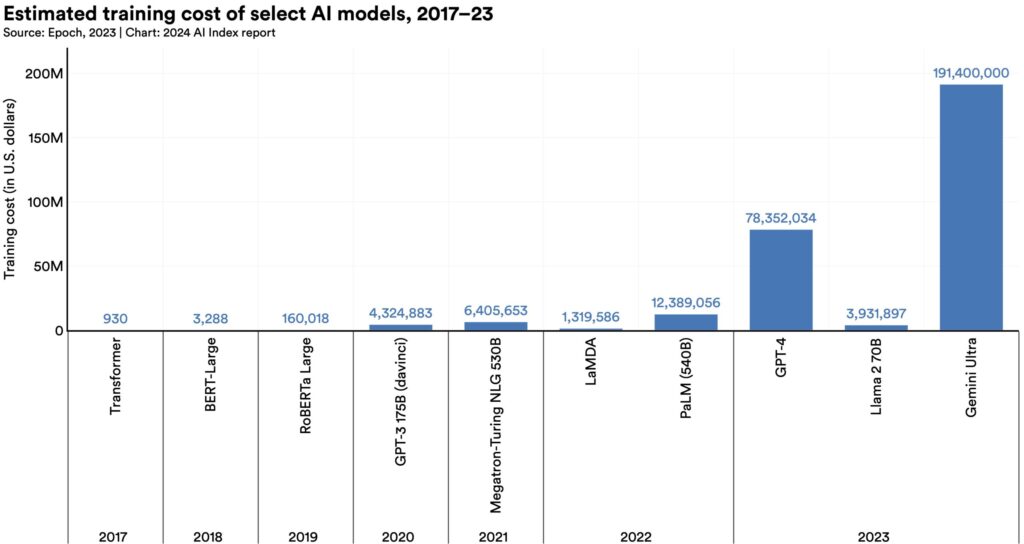
By Stanford Institute for Human-Centered Artificial Intelligence (permission obtained by email from the AI index research manager) via Openverse
Sources
WildWoods game launch: Best proven details for December release · Metro Redux next-gen update: Exciting new features revealed! · AI chat delegation: The Smart Rules for Companies