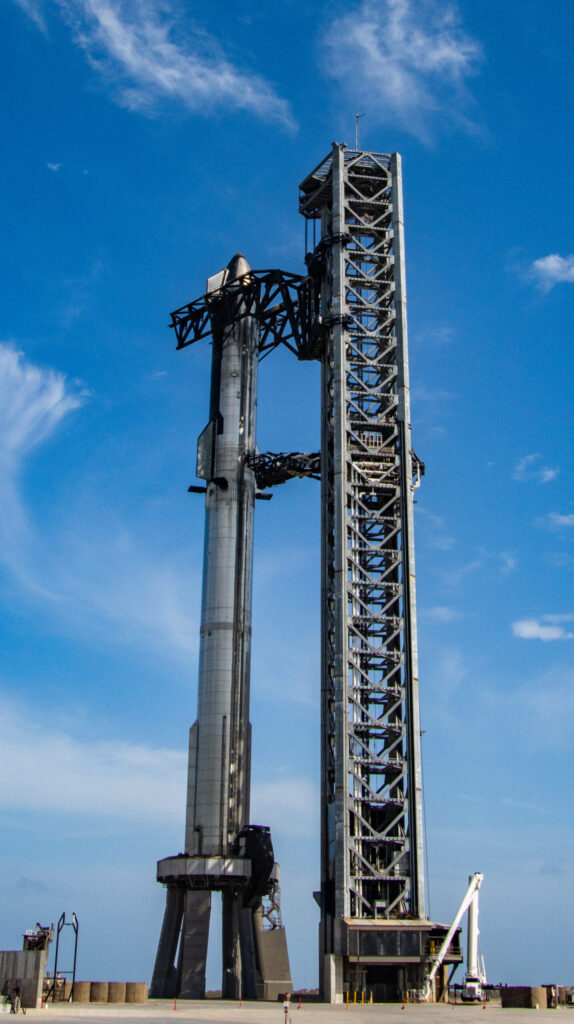

Orbital Starship flight is set to take place as SpaceX prepares for its inaugural launch from South Texas. This event promises to be a landmark moment in space exploration.
Introduction to SpaceX’s Starship
SpaceX is poised to make history with the upcoming orbital Starship flight from its launch site in South Texas. This ambitious mission marks a significant milestone in the company’s efforts to revolutionize space travel and exploration.
Starship, designed for missions to the Moon, Mars, and beyond, represents the next generation of spacecraft technology. With its fully reusable design, it aims to drastically reduce the cost of accessing space.
As anticipation builds, many are eager to see how this inaugural flight unfolds. Key objectives for the mission include:
- Testing the spacecraft’s capabilities in a real-world environment
- Gathering crucial data to improve future designs
- Demonstrating the potential for interplanetary travel
The success of the orbital Starship flight could pave the way for new opportunities in commercial spaceflight and scientific research.
What is the Orbital Starship Flight?
The orbital Starship flight represents a significant milestone in SpaceX’s ambitions to revolutionize space travel. This innovative spacecraft, designed for missions beyond Earth’s atmosphere, aims to transport both crew and cargo efficiently.
Key features of the orbital Starship flight include:
- Reusability: Starship is engineered to be fully reusable, drastically reducing the cost of access to space.
- Capacity: It can carry over 100 metric tons to low Earth orbit, making it suitable for a variety of missions, including interplanetary travel.
- Advanced Technology: Equipped with cutting-edge systems, Starship includes enhanced life support and navigation capabilities.
As SpaceX prepares for this groundbreaking launch, the space community eagerly anticipates the potential it holds for future exploration and colonization efforts.
Significance of the Texas Launch
The launch of the orbital Starship flight from Texas represents a pivotal moment in space exploration and technology. This event is not only a significant milestone for SpaceX but also for the entire aerospace industry. The success of this launch could pave the way for future missions to the Moon and Mars, aligning with NASA’s Artemis program and beyond.
The key significance of this launch includes:
- Advancements in Reusability: The orbital Starship’s design emphasizes rapid reusability, which could drastically reduce the cost of access to space.
- Increased Payload Capacity: With its impressive payload capacity, the Starship could support larger missions, facilitating deeper space exploration.
- Public and Commercial Engagement: The launch is expected to ignite interest in space travel, potentially leading to increased investment and participation from private sectors.
Overall, the success of the orbital Starship flight could usher in a new era of space exploration.
Timeline for the Launch Event
The timeline for the orbital Starship flight launch event has generated significant anticipation among space enthusiasts. SpaceX has outlined a schedule that includes several critical milestones leading up to the launch from South Texas.
- Pre-launch Preparations: Engineers will conduct final checks on the Starship prototype and its booster in the weeks preceding the launch.
- Static Fire Tests: A series of static fire tests are planned to ensure that all systems are functioning optimally.
- Launch Window: The targeted launch window opens in late 2023, with potential delays due to weather or technical issues.
- Final Countdown: A comprehensive countdown rehearsal will take place to ensure all teams are prepared for the orbital Starship flight.
With each passing day, excitement builds as the world awaits this groundbreaking moment in space exploration.
Challenges Ahead for SpaceX
Despite the excitement surrounding the upcoming orbital Starship flight, SpaceX faces several challenges that could impact the mission’s success. Ensuring the spacecraft’s safety and reliability is paramount, as previous test flights have highlighted potential issues requiring resolution.
Among the key challenges are:
- Technical Hurdles: The integration of new technologies and systems must be flawless to withstand the rigors of an orbital flight.
- Regulatory Approvals: Gaining the necessary permits and meeting regulatory standards is crucial for launching from Texas.
- Environmental Concerns: The launch site’s impact on the surrounding ecosystem has raised concerns that need addressing before the flight.
As SpaceX moves forward with preparations, the company must tackle these challenges head-on to ensure the success of the orbital Starship flight and set the stage for future missions.
Future of SpaceX and Starship
The future of SpaceX and its Starship program appears promising as the company prepares for its inaugural orbital Starship flight. This groundbreaking venture aims to revolutionize space travel and exploration, potentially paving the way for human missions to Mars and beyond.
In the coming years, SpaceX plans to enhance the capabilities of the Starship fleet, focusing on:
- Increased Reusability: Developing more efficient systems for rapid turnaround between flights.
- Advanced Technology: Incorporating cutting-edge materials and propulsion systems to improve performance.
- Collaborative Missions: Partnering with international space agencies and private companies to expand exploration efforts.
As the orbital Starship flight approaches, the excitement surrounding SpaceX’s vision for the future of space travel grows. Enthusiasts and industry experts alike eagerly anticipate the impact this launch will have on the next era of space exploration.
By Jenny Hautmann via Openverse