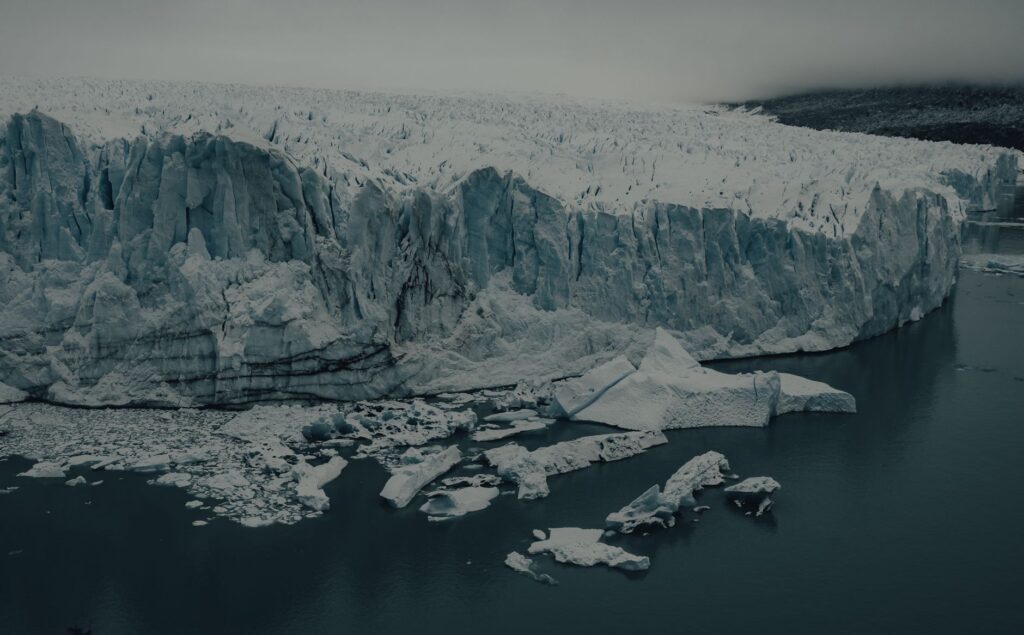

Polar glaciers ice loss has become a significant concern as they have lost trillions of tons of ice. This alarming trend poses serious threats to global sea levels and ecosystems.
Understanding Polar Glaciers
Polar glaciers play a crucial role in the Earth’s climate system, acting as significant indicators of environmental change. These massive ice formations, found in regions like Antarctica and Greenland, store vast amounts of freshwater. However, recent studies have highlighted alarming trends regarding polar glaciers ice loss.
The impact of this ice loss extends beyond rising sea levels; it affects global weather patterns and ocean circulation. Understanding these changes is vital for predicting future climate scenarios. Some key points to consider include:
- Volume of Ice: Polar glaciers contain enough ice to raise sea levels by several meters if fully melted.
- Climate Feedback: As ice melts, darker ocean or land surfaces are exposed, absorbing more heat and accelerating warming.
- Habitat Disruption: The loss of ice affects wildlife that depends on these ecosystems, altering food chains and habitats.
Addressing the causes of polar glaciers ice loss is essential for mitigating its impact on our planet.
The Science Behind Ice Loss
The phenomenon of polar glaciers ice loss is a complex process driven by various climatic factors. Scientists have observed a marked increase in melting rates, primarily attributed to rising global temperatures.
Several key factors contribute to this alarming trend:
- Temperature Rise: The average temperature in polar regions has risen significantly, leading to accelerated melting.
- Ocean Currents: Warmer ocean waters are encroaching upon glaciers, further hastening ice loss.
- Atmospheric Changes: Alterations in atmospheric circulation patterns can lead to increased precipitation in some areas, but overall, warmer air contributes to more melting.
Research indicates that the loss of polar glaciers has far-reaching implications, including rising sea levels and disruptions to marine ecosystems. As these glaciers continue to shrink, their critical role in the Earth’s climate system becomes increasingly jeopardized, prompting urgent calls for further investigation and action.
Impact on Sea Levels
The impact of polar glaciers ice loss is profound and far-reaching, particularly concerning global sea levels. As these glaciers continue to melt at an alarming rate, they contribute significantly to rising oceans, posing a threat to coastal communities worldwide.
Scientists estimate that the melting of polar glaciers has already added several inches to sea levels over the past few decades. This trend is expected to accelerate, with projections suggesting a potential rise of up to two meters by the end of this century if current rates of ice loss continue.
The consequences of rising sea levels include:
- Increased flooding: Coastal cities may face more frequent and severe flooding events.
- Loss of habitat: Coastal ecosystems and wildlife are at risk as their environments are submerged.
- Displacement: Millions of people may be forced to migrate due to uninhabitable conditions.
Understanding the dynamics of polar glaciers ice loss is crucial for developing strategies to mitigate these impacts.
Ecosystem Disruption
The ongoing polar glaciers ice loss has profound effects on ecosystems that rely on cold environments. As glaciers retreat, the habitats of various species are altered, leading to shifts in biodiversity. Marine life, particularly species that depend on the cold waters generated by melting ice, faces significant challenges.
Additionally, terrestrial ecosystems are impacted as the landscape changes. The following outcomes are particularly concerning:
- Habitat Loss: Species like polar bears and seals depend on ice for hunting and breeding. The reduction in ice limits their ability to find food and raise their young.
- Altered Food Chains: As ice melts, phytoplankton growth in surrounding waters may decline, affecting the entire marine food web.
- Invasive Species: Warmer temperatures may allow non-native species to encroach on fragile polar ecosystems, further threatening local wildlife.
Overall, the consequences of polar glaciers ice loss extend beyond just physical changes; they resonate throughout the entire ecosystem.
Recent Research Findings
Recent studies have highlighted alarming trends in polar glaciers ice loss, indicating a significant acceleration in the rate of melting. A comprehensive analysis published in a leading climate journal revealed that polar regions are experiencing unprecedented warming, which is contributing to the rapid decline of these vital ice masses.
Key findings from the research include:
- Thinning Ice Sheets: Satellite observations show that ice sheets in Greenland and Antarctica are thinning by over three meters per year.
- Increased Melting Rates: The rate of ice loss has tripled since the 1990s, leading to a substantial contribution to global sea level rise.
- Feedback Mechanisms: Loss of reflective ice surfaces accelerates warming, creating a feedback loop that further exacerbates ice melt.
These findings emphasize the urgent need to address climate change, as the consequences of polar glaciers ice loss extend beyond rising seas, impacting ecosystems and weather patterns worldwide.
Future Projections
Future projections regarding polar glaciers ice loss indicate a troubling trajectory that could have far-reaching effects on global ecosystems and sea levels. According to climate models, if current trends continue, we could witness a significant increase in ice loss over the next few decades.
Experts predict the following outcomes:
- Accelerated melting: Warmer temperatures are expected to lead to an increase in the rate of ice melt, particularly during the summer months.
- Rising sea levels: Continued loss of polar glaciers could contribute to sea levels rising by several feet by the end of the century, threatening coastal communities.
- Ecosystem shifts: The loss of ice habitats may disrupt species that rely on polar environments, leading to decreased biodiversity.
- Feedback loops: Reduced ice cover can amplify warming, as darker ocean waters absorb more heat than reflective ice surfaces.
These projections highlight the urgent need for action to mitigate climate change and its impacts on polar glaciers.
Global Responses to Climate Change
The alarming rate of polar glaciers ice loss has prompted a series of global responses aimed at mitigating climate change. Governments and organizations are recognizing the urgent need for action to address the environmental crisis stemming from melting ice. Key initiatives include:
- International Agreements: Countries are collaborating through treaties such as the Paris Agreement, committing to reduce greenhouse gas emissions to limit global warming.
- Research Funding: Increased investments in climate science and research are essential for understanding the dynamics of polar glaciers and their contribution to rising sea levels.
- Innovative Technology: Development of new technologies aimed at carbon capture and renewable energy sources is gaining traction to combat the drivers of climate change.
- Public Awareness Campaigns: Educational initiatives are helping to inform communities about the implications of polar glaciers ice loss and the importance of sustainable practices.
Collectively, these efforts highlight a growing recognition of the interconnectedness of polar ecosystems and global health.
What Can Be Done?
Addressing the issue of polar glaciers ice loss requires a multifaceted approach involving individual actions, community involvement, and global initiatives. Here are several strategies that can contribute to mitigating this crisis:
- Reduce Carbon Footprint: Individuals can lower their carbon emissions by using public transport, conserving energy at home, and supporting renewable energy sources.
- Advocate for Policy Change: Supporting policies that aim to reduce greenhouse gas emissions and investing in sustainable practices can lead to larger systemic changes.
- Support Research and Education: Funding and participating in research initiatives can help us better understand the impacts of polar glaciers ice loss and develop effective solutions.
- Promote Coastal Resilience: Communities can enhance their infrastructure to withstand rising sea levels, protecting both ecosystems and human settlements.
- Engage in Conservation Efforts: Supporting organizations that focus on conservation can help protect vulnerable ecosystems affected by ice loss.
Collectively, these actions can foster a more sustainable future and help combat the ongoing effects of climate change.
Photo by Gaspar Zaldo on Pexels
Sources
State Meat Inspection: Proven $50M USDA Initiative · eGPU enclosure launch: The Best Proven Performance Upgrade · Siri AI rollout: Best proven features to expect soon