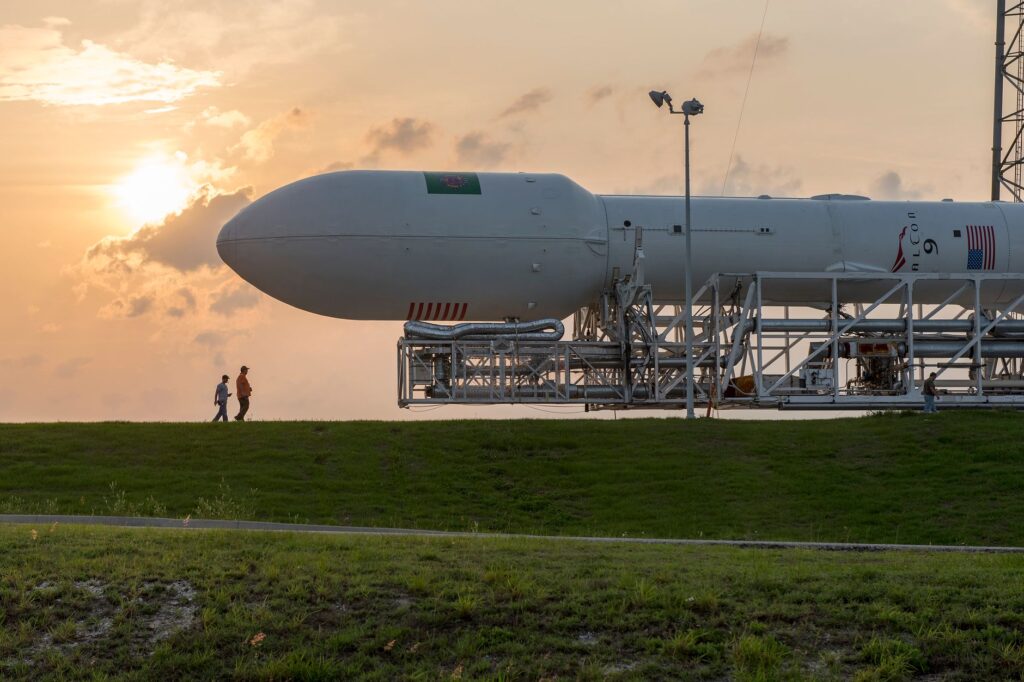

The SpaceX astronaut mission has successfully brought four crew members home after an extended stay aboard the ISS. This remarkable achievement highlights SpaceX’s capabilities in space travel.
Overview of the SpaceX Mission
The recent SpaceX astronaut mission has been hailed as a significant success, demonstrating the company’s capability to safely transport crew members to and from the International Space Station (ISS). This mission, which featured four astronauts returning home after an extended stay in orbit, underscores the reliability of SpaceX’s Crew Dragon spacecraft.
Launched on a previous mission, the astronauts conducted critical research and experiments on the ISS, contributing to advancements in science and technology. Their journey home marked another milestone in SpaceX’s ongoing efforts to support human spaceflight and international collaboration in space exploration.
Upon re-entry, the Crew Dragon capsule executed a series of maneuvers to ensure a safe descent. The astronauts were greeted by recovery teams as they splashed down in the ocean, a process that has been refined through numerous missions.
Key highlights of the mission include:
- Extended Mission Duration: The astronauts spent several months aboard the ISS, conducting vital experiments.
- Successful Re-Entry: The Crew Dragon capsule performed flawlessly during its re-entry phase, showcasing SpaceX’s engineering prowess.
- Team Collaboration: This mission involved collaboration between NASA and international partners, reinforcing the importance of teamwork in space exploration.
Overall, the successful return of the astronauts highlights the growing confidence in the SpaceX astronaut mission model, paving the way for future endeavors in human spaceflight.
Key Achievements of the Astronauts
The recent SpaceX astronaut mission has demonstrated remarkable achievements in space exploration and crew safety. The successful return of four astronauts from the International Space Station (ISS) marks a significant milestone for the program and highlights the advancements made in space travel.
Among the key achievements of the astronauts are:
- Extended Mission Duration: The crew spent an impressive six months aboard the ISS, conducting vital scientific research and experiments that contribute to our understanding of space and its effects on the human body.
- Successful Docking and Undocking: The mission showcased SpaceX’s advanced technology, featuring seamless docking and undocking procedures, which are critical for future missions to deeper space.
- Enhanced Safety Protocols: The astronauts benefitted from rigorous safety measures and training, ensuring their wellbeing during the mission and upon re-entry.
- Collaboration with International Partners: The astronauts worked alongside international colleagues, fostering collaboration in space exploration and strengthening global partnerships.
These accomplishments not only highlight the capabilities of the SpaceX astronaut mission but also pave the way for future endeavors in space exploration. As the program continues to evolve, the successes achieved during this mission are a testament to the resilience and dedication of all involved.
Challenges Faced During the Mission
The SpaceX astronaut mission faced several challenges that tested both the crew and the technology involved in the operation. Despite these obstacles, the mission ultimately highlighted the resilience and ingenuity of the team behind it.
Firstly, weather conditions played a significant role in the mission’s planning and execution. Prior to the crew’s return, SpaceX had to monitor and assess various weather patterns to ensure a safe landing. The unpredictability of ocean conditions, including high waves and strong winds, posed a threat to the recovery operation.
Secondly, the duration of the mission presented its own set of challenges. The astronauts spent an extended period in orbit, which can lead to physical and psychological stress. To mitigate these effects, the crew engaged in regular exercise and maintained a structured schedule to ensure their well-being while aboard the International Space Station (ISS).
Additionally, there were technical difficulties that arose during the mission. Systems checks and regular maintenance were essential to keep the spacecraft operational. Crew members had to remain vigilant and adapt to any unforeseen circumstances, demonstrating their training and preparedness.
In conclusion, the SpaceX astronaut mission showcased the ability to overcome significant challenges while ensuring the safety and success of the crew’s return home.
Future Plans for SpaceX
As SpaceX continues to demonstrate its capabilities in space travel, the future plans for the company appear promising, especially in the context of the SpaceX astronaut mission. With each successful mission, the organization refines its technology and processes, paving the way for more ambitious endeavors.
Looking ahead, SpaceX aims to expand its role in crewed space exploration. Key initiatives include:
- Increased Launch Frequency: SpaceX plans to increase the number of crewed missions to the International Space Station (ISS) and other destinations, enhancing the efficiency and reliability of its operations.
- Next-Generation Starship: The development of the Starship spacecraft is expected to revolutionize human spaceflight, allowing for missions beyond low Earth orbit and enabling trips to the Moon and Mars.
- International Collaborations: SpaceX is exploring partnerships with other space agencies and commercial entities to facilitate joint missions, enhancing the global approach to space exploration.
- Advanced Astronaut Training: The company is investing in comprehensive training programs for astronauts, ensuring they are prepared for the challenges of longer-duration missions.
With these ambitious goals, SpaceX is not only solidifying its position as a leader in space travel but also inspiring a new generation of astronauts eager to explore the cosmos. The future of the SpaceX astronaut mission looks brighter than ever.
Impact on International Space Station
The recent SpaceX astronaut mission has had a significant impact on operations aboard the International Space Station (ISS). With the successful return of four astronauts after an extended stay in orbit, the mission has reinforced the importance of commercial spaceflight in supporting ISS activities.
The astronauts contributed to numerous scientific experiments, which included:
- Biological research aimed at understanding the effects of microgravity on human health.
- Technological demonstrations that tested new equipment and systems for future missions.
- Earth observation projects that provided valuable data for climate research.
By successfully bringing the crew home, SpaceX has proven its capabilities in safe crew transport. This achievement not only ensures the well-being of astronauts but also allows for more efficient rotation of crew members on the ISS. The significance of this mission extends beyond the immediate success; it has paved the way for potential future collaborations with international space agencies.
The continued partnership between SpaceX and NASA highlights the growing reliance on private companies for space exploration and ISS operations. As missions become more frequent, the impact of commercial endeavors on international cooperation in space will only increase, further enhancing scientific advancements and exploration efforts.
Reactions from NASA Officials
Reactions from NASA officials have been overwhelmingly positive following the successful completion of the SpaceX astronaut mission, which saw four astronauts safely return from the International Space Station (ISS). Many officials expressed their pride in the collaboration between NASA and SpaceX, emphasizing the mission’s significance in advancing human space exploration.
Administrator Bill Nelson stated, “The successful return of our astronauts is a testament to the hard work and dedication of both NASA and SpaceX teams. This mission not only showcases our ability to send humans into space but also demonstrates our commitment to safely bringing them home.”
Other officials highlighted the importance of the mission for future endeavors. NASA’s ISS Program Manager, Joel Montalbano, remarked, “This mission reinforces our capability to partner with commercial entities, paving the way for future astronaut missions and advancing our goals of deep space exploration.”
Furthermore, NASA Chief Scientist, Jim Green, noted the successful mission’s role in fostering international collaboration in space science. “With SpaceX’s astronaut mission, we are not only ensuring safe transportation but also enhancing our partnerships with international agencies.”
As discussions about future missions continue, the successful return of the astronauts marks a significant milestone in human spaceflight, reflecting the bright future of SpaceX’s astronaut missions and their implications for exploration beyond Earth.
What This Means for Space Exploration
The successful return of the four astronauts from the SpaceX astronaut mission marks a significant milestone not only for the company but also for the future of space exploration. This achievement highlights the growing reliance on private companies to facilitate human spaceflight and underscores the potential for innovative partnerships between government agencies and private enterprises.
As commercial space travel becomes more commonplace, the implications are vast. Some of the key takeaways from this successful mission include:
- Enhanced Collaboration: The mission exemplifies how collaborations between NASA and SpaceX can lead to successful outcomes, paving the way for future joint initiatives.
- Increased Accessibility: The ability to safely bring astronauts back to Earth encourages more countries and organizations to consider sending their own missions into orbit.
- Technological Advancements: Innovations developed during this mission could be utilized in upcoming projects, improving safety and efficiency in space travel.
- Public Interest and Support: Successful missions can inspire public interest in space exploration, fostering a new generation of scientists and engineers.
Overall, the SpaceX astronaut mission serves as a testament to the capabilities of modern aerospace technology and the importance of ongoing investment in space exploration. The lessons learned will undoubtedly influence future missions, as the boundary between commercial endeavors and national interests continues to blur.
The successful return of the crew marks a new milestone for the SpaceX astronaut mission, showcasing the reliability of their advanced technology. As the world watches, the SpaceX astronaut mission continues to pave the way for future exploration beyond Earth.
Photo by SpaceX on Pexels