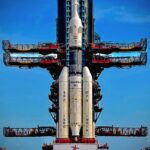
Gaganyaan astronaut mission is a significant step towards India’s human spaceflight ambitions. Angad Pratap, the designated astronaut, shares insights on the mission timeline and its challenges.
Overview of the Gaganyaan mission
The Gaganyaan astronaut mission, India’s ambitious foray into human spaceflight, aims to send its first crewed spacecraft into low Earth orbit. This mission is designed to bolster India’s position in the global space community and inspire a new generation of scientists and engineers.
As part of the program, the Indian Space Research Organisation (ISRO) has been conducting extensive tests and simulations to ensure the safety and success of the mission. The timeline set for launch has undergone adjustments based on comprehensive evaluations of technology and training requirements.
Key components of the Gaganyaan mission include:
- Human Rating: Ensuring that the spacecraft can safely carry astronauts.
- Training: Rigorous preparation for selected astronauts.
- Technological Innovations: Development of new systems for space travel.
With these preparations, the Gaganyaan astronaut mission is poised to be a landmark achievement for India.
Angad Pratap’s role in the mission
Angad Pratap, a key figure in the Gaganyaan astronaut mission, has been preparing for this groundbreaking endeavor for several years. As one of the selected astronauts, he has undergone extensive training to ensure his readiness for space travel.
His preparation includes rigorous simulations, physical training, and learning to operate complex spacecraft systems. Angad has expressed his enthusiasm about being part of India’s first human spaceflight program, emphasizing the importance of patience and perseverance in achieving success.
He stated, “Success comes to those who wait,” highlighting the dedication required to complete the mission successfully. As he anticipates the launch, Angad is focused on the challenges ahead and the importance of teamwork in the Gaganyaan astronaut mission.
His role not only involves piloting the spacecraft but also conducting scientific experiments that will contribute to our understanding of space and human endurance in extreme conditions.
Timeline for human spaceflight
The Gaganyaan astronaut mission has a well-defined timeline that aims to achieve significant milestones in human spaceflight. The Indian Space Research Organisation (ISRO) is committed to ensuring that each phase of the mission progresses smoothly and efficiently.
Key dates in the timeline include:
- 2023: Final testing of the crew module and the launch vehicle.
- Mid-2024: Planned unmanned test flights to validate systems and procedures.
- Late 2024: Target for the first crewed mission of the Gaganyaan astronaut mission.
According to Angad Pratap, the designated astronaut for the mission, “Success comes to those who wait.” This sentiment reflects the meticulous planning and preparation involved in ensuring the safety and success of the mission, showcasing ISRO’s dedication to advancing human space exploration.
Challenges faced by astronauts
The Gaganyaan astronaut mission, India’s ambitious foray into human spaceflight, faces several challenges that need to be addressed to ensure its success. Astronauts must adapt to various conditions that are significantly different from those on Earth. These include:
- Microgravity Effects: Prolonged exposure to microgravity can lead to muscle atrophy and bone density loss.
- Psychological Stress: The isolation and confinement during space travel can affect mental health and team dynamics.
- Radiation Exposure: Astronauts are at risk from increased exposure to cosmic radiation during their missions.
- Technical Failures: Reliance on complex systems means that any technical malfunction can pose serious risks.
Addressing these challenges is crucial for the Gaganyaan astronaut mission to achieve its goal of launching Indian astronauts into orbit successfully.
Future of space exploration in India
The future of space exploration in India looks promising, particularly with the advancements stemming from the Gaganyaan astronaut mission. As the nation prepares to send its first crewed spacecraft into orbit, several initiatives are being undertaken to bolster its capabilities.
Key areas of focus include:
- Technological Innovation: Development of advanced technologies that will ensure safety and efficiency during missions.
- International Collaboration: Partnerships with global space agencies to share knowledge and resources.
- Public Engagement: Increasing awareness and interest in space missions among the youth to inspire future generations of scientists and engineers.
With the Gaganyaan astronaut mission paving the way, India is set to enhance its presence in the global space arena. The successful execution of this mission will not only mark a significant milestone for the country but also lay the groundwork for future explorations beyond Earth.
Impact of Gaganyaan on global space missions
The Gaganyaan astronaut mission is poised to significantly influence global space missions, setting a benchmark for emerging spacefaring nations. As India enters the realm of human spaceflight, the mission exemplifies the country’s commitment to advancing its technological capabilities and scientific research.
Participating in the Gaganyaan mission enables India to join a select group of nations with operational human spaceflight programs, thereby enhancing international collaborations. The mission’s success may inspire other countries, particularly those with developing space programs, to invest in similar initiatives.
Moreover, the technological advancements achieved through Gaganyaan, such as life support systems and spacecraft design, can benefit the global community. These innovations may lead to cooperative projects, sharing knowledge and resources, which could further accelerate space exploration efforts worldwide.
Ultimately, the Gaganyaan mission represents not only a milestone for India but also a pivotal moment in the evolution of global space exploration.