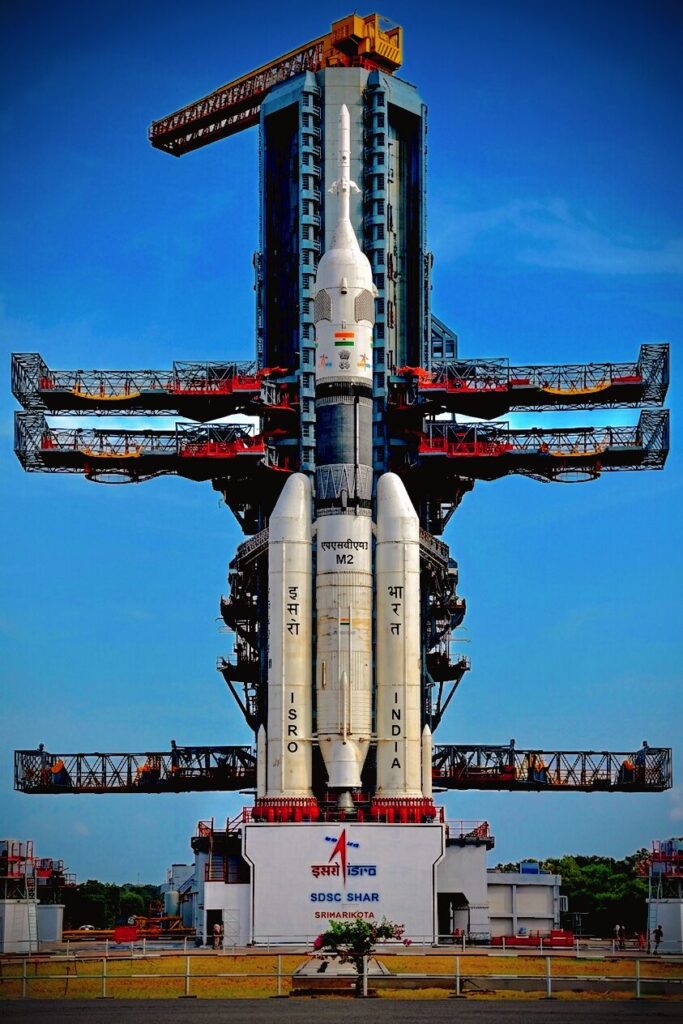

The Gaganyaan mission rocket is set for human spaceflight, showcasing India’s advancements in space technology and exploration. This mission represents a major leap forward for the country’s space ambitions.
Overview of the Gaganyaan Mission
The Gaganyaan mission rocket represents India’s ambitious endeavor to send humans into space. This significant project, spearheaded by the Indian Space Research Organisation (ISRO), aims to demonstrate the nation’s capability in human spaceflight and establish a foothold in the global space exploration arena.
The Gaganyaan mission is structured around several key objectives:
- Human Spaceflight: The primary goal is to successfully launch a crewed spacecraft into low Earth orbit.
- Technological Advancement: This mission will showcase India’s advancements in space technology and engineering, marking a milestone in its space program.
- International Collaboration: Gaganyaan aims to foster international partnerships, enhancing knowledge sharing and technological exchange.
- Scientific Research: The mission will conduct various scientific experiments in a microgravity environment, contributing to global scientific knowledge.
As the launch date approaches, the Gaganyaan mission rocket is undergoing rigorous testing to ensure the safety and success of the crewed mission. With this initiative, India is not only aspiring to reach new heights in space exploration but also inspiring future generations to pursue careers in science and technology.
Key Features of the Gaganyaan Rocket
The Gaganyaan mission rocket is designed with several key features that enhance its capability for human spaceflight. These innovations reflect India’s commitment to advancing its space program and ensuring the safety of its astronauts.
- Launch Vehicle: The Gaganyaan rocket utilizes the LVM-3, which is specifically engineered to carry payloads into low Earth orbit.
- Crew Module: A state-of-the-art crew module provides a safe environment for astronauts, equipped with life support systems and emergency protocols.
- Safety Measures: The rocket incorporates advanced safety features, including an automatic abort system, ensuring that astronauts can be safely evacuated in case of a launch anomaly.
- Reusable Components: To enhance efficiency, the Gaganyaan rocket includes reusable elements that can be refurbished for future missions.
- Advanced Navigation: The onboard navigation systems are designed for precision, allowing for accurate trajectory adjustments during flight.
These features position the Gaganyaan mission rocket as a pivotal development in India’s quest for human space exploration, paving the way for future missions and technological advancements.
Timeline for Human Spaceflight
The timeline for the Gaganyaan mission rocket is a crucial aspect of India’s ambitious plan for human spaceflight. The Indian Space Research Organisation (ISRO) has outlined a series of milestones leading up to the first crewed mission, aiming to ensure safety and reliability.
Here are the key phases in the timeline:
- 2023: Completion of all ground testing, including the assessment of the rocket’s systems and subsystems.
- 2024: Planned launch of the unmanned test mission, which will serve as a precursor to the crewed flight.
- 2025: Target year for the first crewed Gaganyaan mission, contingent on successful unmanned tests and any required adjustments.
- 2026 and beyond: Expansion of human spaceflight capabilities, including potential international collaborations and missions to low Earth orbit.
The Gaganyaan mission rocket is designed to not only carry astronauts but also to enhance India’s position in the global space community. With these timelines in place, ISRO is committed to achieving a successful human spaceflight experience within the next few years.
Challenges Faced by ISRO
The Gaganyaan mission rocket, designed to enable India’s first human spaceflight, faces several challenges as it moves closer to its launch date. These challenges encompass a range of technical, logistical, and safety concerns that must be meticulously addressed.
- Technical Hurdles: Developing reliable life-support systems and ensuring the rocket can withstand the harsh conditions of space travel are critical challenges. The ISRO team is focused on rigorous testing to validate these systems.
- Training Astronauts: Selecting and training the right candidates for the mission is essential. The astronauts must undergo extensive training, which includes simulations and survival training to prepare them for the mission’s demands.
- Safety Protocols: Ensuring the safety of the crew is paramount. ISRO is implementing stringent safety measures, including emergency protocols that can be activated in case of unforeseen circumstances during the flight.
- Public Expectations: As the Gaganyaan mission captures the public’s imagination, ISRO faces pressure to deliver a successful mission that meets the high expectations of the Indian populace.
Successfully navigating these challenges will be crucial for the Gaganyaan mission rocket to pave the way for India’s entry into human spaceflight.
Significance of the Mission for India
The Gaganyaan mission rocket represents a monumental step for India in the realm of space exploration. With its ambitious plans to send humans into space, this mission is not just about technological advancement but also about fostering national pride and inspiring future generations of scientists and engineers.
One of the primary significances of the Gaganyaan mission rocket lies in its potential to enhance India’s position in the global space community. Successfully launching a crewed mission would demonstrate India’s growing capabilities in space technology, marking it as a key player among leading spacefaring nations.
Moreover, the mission is expected to catalyze various sectors within the country. The expertise gained from developing the Gaganyaan mission rocket could lead to advancements in related fields such as telecommunications, weather forecasting, and satellite technology. Additionally, it could pave the way for international collaborations, enriching India’s scientific community.
Lastly, the mission aims to ignite interest among the youth in STEM (Science, Technology, Engineering, and Mathematics) fields. By showcasing the possibilities of human spaceflight, Gaganyaan can inspire a new generation to pursue careers in science and engineering, ultimately contributing to the nation’s technological and economic growth.
Public Interest in Space Exploration
The Gaganyaan mission rocket has ignited a renewed public interest in space exploration, as it represents India’s ambitious leap into human spaceflight. The nation’s commitment to sending its first crewed mission into space has captured the imagination of citizens and space enthusiasts alike.
Several factors contribute to this growing enthusiasm:
- Technological Advancements: The Gaganyaan mission rocket showcases India’s technological capabilities in aerospace engineering, positioning the country as a key player in the global space community.
- Educational Initiatives: ISRO’s outreach programs and collaborations with educational institutions have inspired a new generation of scientists and engineers, fostering interest in STEM fields.
- Public Engagement: Social media campaigns and live broadcasts of mission progress have allowed the public to engage with the mission in real-time, creating a sense of shared national pride.
As the Gaganyaan mission approaches its launch date, anticipation builds not only for the mission itself but also for the future of India’s space endeavors. The successful execution of the Gaganyaan mission rocket could pave the way for more ambitious projects, further solidifying India’s position in the arena of space exploration.
Future of Human Spaceflight in India
The future of human spaceflight in India looks promising, especially with the advancements brought forth by the Gaganyaan mission rocket. This ambitious initiative is poised to transform India’s position in the global space arena, marking a significant milestone in the country’s space exploration journey.
India’s space agency, ISRO, is not only focusing on launching astronauts but also on ensuring the safety and reliability of the mission. The successful execution of the Gaganyaan mission will pave the way for future endeavors, including:
- International Collaborations: Engaging with other nations and space agencies for joint missions and research.
- Technological Innovations: Developing advanced technologies that can be utilized in various sectors beyond space.
- Scientific Research: Conducting experiments in microgravity, which can lead to breakthroughs in medicine and materials science.
Moreover, the increased public interest in space exploration boosts support for funding and resources necessary for these missions. The Gaganyaan mission rocket serves as a symbol of India’s aspirations in space and reflects a national commitment to push the boundaries of what is possible. As the mission progresses, it is expected to inspire young minds to pursue careers in science and technology, further fueling the growth of the space sector in India.
By Hawkeye190305 via Openverse
